
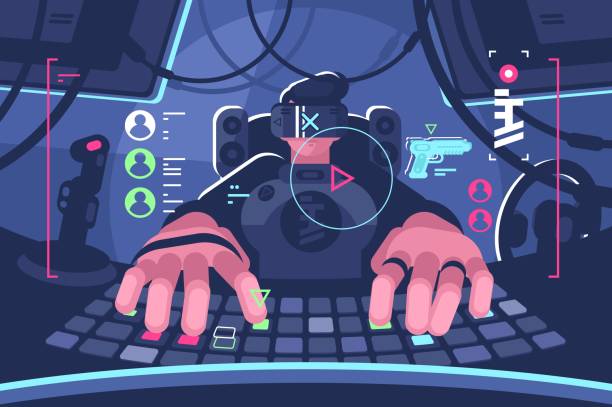
In today’s digital age, online gaming has evolved beyond mere entertainment to become a powerful platform for developing various skills, including communication. Building better communication skills through online gaming is not only possible but also highly effective due to the interactive and collaborative nature of many games. Unlike traditional forms of communication training, online gaming provides real-time opportunities to practice and refine verbal and non-verbal communication in dynamic environments.
One of the primary ways online gaming enhances communication is through teamwork. Many popular games require players to work together toward common objectives, which necessitates clear and concise exchanges of information. Players must learn how to give instructions, share strategies, provide feedback, and coordinate actions efficiently with teammates who may be from diverse cultural backgrounds or speak different native languages. This fosters adaptability in communication styles and improves listening skills as gamers pay close attention to their teammates’ messages.
Moreover, online gaming encourages the development of empathy and emotional intelligence-key components of effective communication. In multiplayer settings where players face challenges or conflicts, understanding others’ perspectives helps resolve disputes amicably. Gamers often need to manage emotions such as frustration or excitement while maintaining respectful dialogue with others. This practice aids in cultivating patience and cuan368 conflict resolution abilities that are transferable outside the virtual world.
Another aspect contributing to improved communication is the use of voice chat platforms integrated into many games. These tools simulate real-life conversations more closely than text-based messaging alone by incorporating tone, inflection, and immediacy in responses. Engaging in voice chats helps players become comfortable speaking spontaneously under pressure while articulating thoughts clearly-a skill beneficial for public speaking or professional interactions.
Additionally, participating in diverse gaming communities exposes individuals to varied linguistic expressions and slang that enrich vocabulary and cultural awareness. Gamers learn how language evolves within specific contexts while adapting their own speech patterns accordingly. This exposure broadens communicative competence by enhancing both expressive capabilities and receptive understanding.
To maximize these benefits from online gaming experiences, intentional efforts should be made by players focusing on active participation rather than passive observation. Setting personal goals such as initiating team discussions or providing constructive criticism can accelerate growth in interpersonal skills within game environments.
In conclusion, online gaming offers a unique interactive space where individuals can build better communication skills naturally through collaboration, empathy development, vocal expression practice, and cultural exchange. By embracing these opportunities mindfully within gameplay sessions, players can transfer enhanced communicative abilities into real-world social or professional scenarios effectively improving overall interaction quality across various domains.